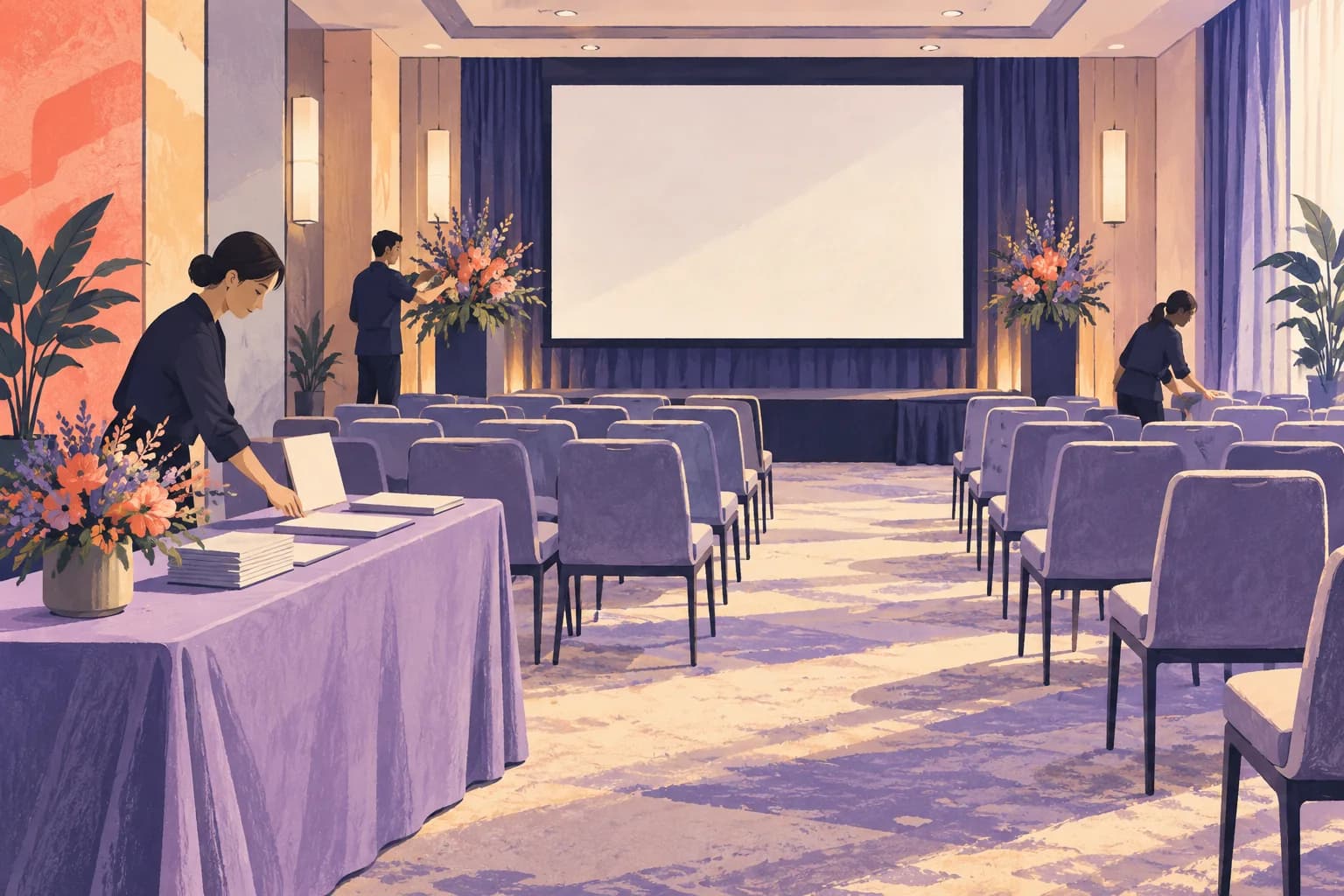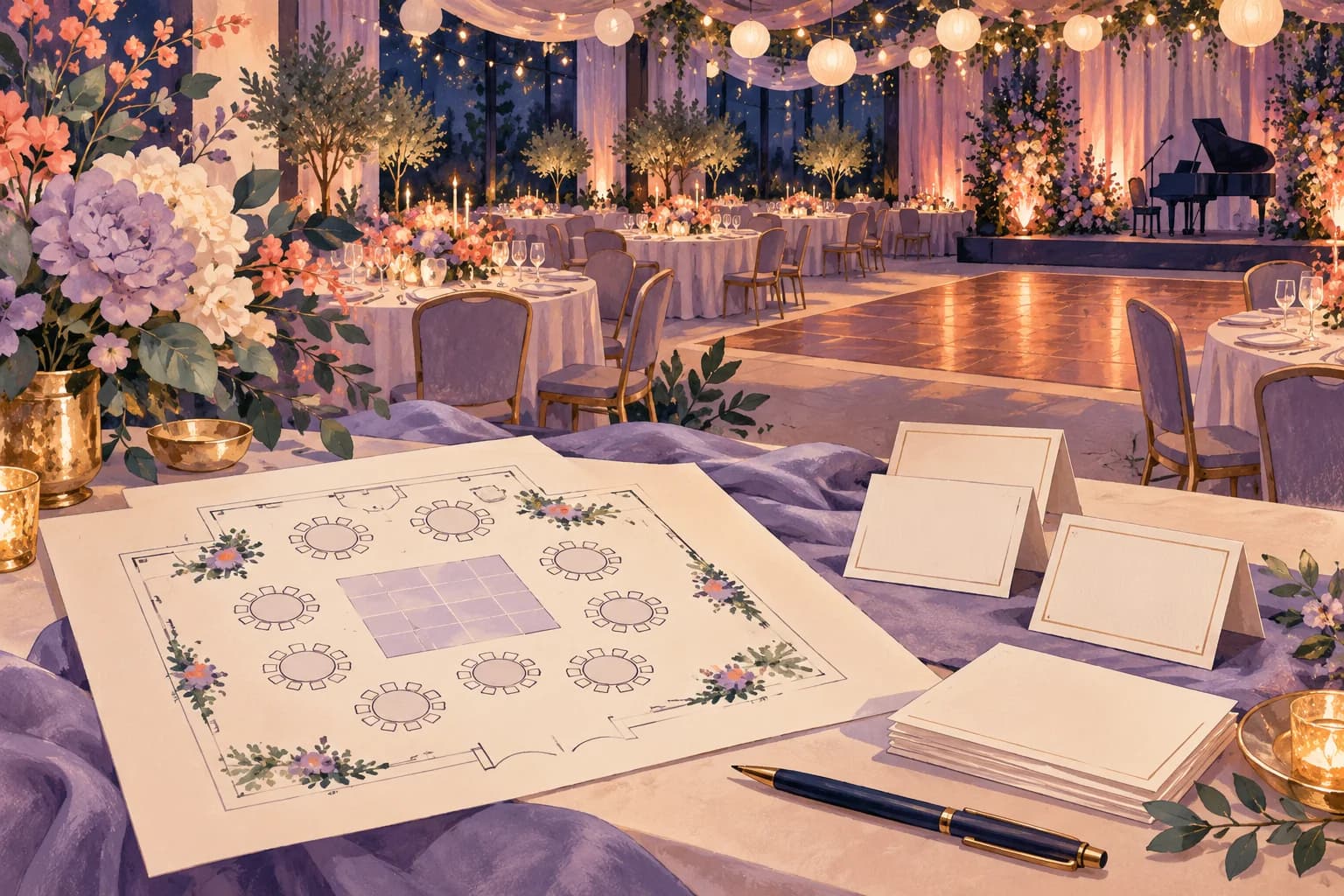
A company dinner and dance combines an employee gathering, a meal and a staged programme. Give one person authority over the run sheet and one person responsibility for supplier costs. Before seeking venues, agree the purpose: recognition, social connection or a formal annual update. The purpose determines how long people should sit through speeches and how much space the programme needs.
What is a workable first brief?
For an illustrative 120-person evening, allow a 30-minute arrival, a short welcome, dinner, two recognition segments and a voluntary social period. This is a fictional schedule, not a venue recommendation. Ask staff about access and dietary needs through a private process. Include a quiet exit from the loudest part of the room, clear end time and transport questions. If the event uses a public park facility, NParks' event-venue booking guidance sets out booking triggers and lead times. Most company dinners use private premises, whose current contract terms must be obtained directly.
Write a programme grid with start and finish times, cue owner, microphone, slide or music cue, food service effect and fallback. A delayed main course can push a later award segment into overtime. The event AV quote guide helps specify microphones, projection, technician time and rehearsal. Use the event photographer guide for image delivery and guest notices. Event photographs that identify people need a thoughtful data-handling plan; PDPC's data-protection obligations are the official starting point.
How should venues and organisers be priced?
Ask each venue for a 120-person proposal with room layout, meal, drinks, stage, basic sound, screens, staffing, setup, rehearsal, taxes or service charges, minimum spend, final count deadline and cancellation schedule. If an organiser is hired, ask which supplier contracts it signs and which the company signs directly. Request a transparent quote with the organiser's fee and every pass-through cost. CCCS's price-transparency guidance is useful when comparing how prices and conditions are stated; it does not replace negotiated business contract terms.
For a fictional comparison, Venue A includes sound but charges for a technician after 10 pm; Venue B charges more upfront and includes two hours of technical support. Compare them at the same expected end time and then test a one-hour delay. Set a contingency allowance as an internal choice, not as an alleged standard percentage. Keep prizes, transport and photography on the same total-cost sheet so the programme can be scaled before committing.
How do you reduce day-of-event surprises?
Hold a final production call with the venue, caterer, AV lead, photographer and host. Confirm names and phone numbers, loading instructions, dietary count, cue file, emergency contact and the decision maker for overtime. Rehearse the first five minutes and one failure, such as a dead microphone. Send staff the essential joining details and the photo notice in advance. The team-building guide offers a different format for active collaboration; a dinner should not be forced into the same agenda.
You can send EventsHub a dinner-and-dance brief question for editorial guidance. We do not claim an event-production partnership or book a venue.
Common questions
Is an event planner required for 120 guests?
It depends on in-house capacity and supplier complexity; compare a scoped organiser quote with an internal owner plan.
Who approves overtime on the night?
Name a company decision maker and set written rates and a spending limit beforehand.
Can staff photos be used for promotion automatically?
Assess the purpose, notice and applicable data obligations before reuse beyond the event.
Sources
- event-venue booking guidance nparks.gov.sg
- data-protection obligations pdpc.gov.sg
- price-transparency guidance ccs.gov.sg
Something changed or worth adding?
Send a correction or suggestion